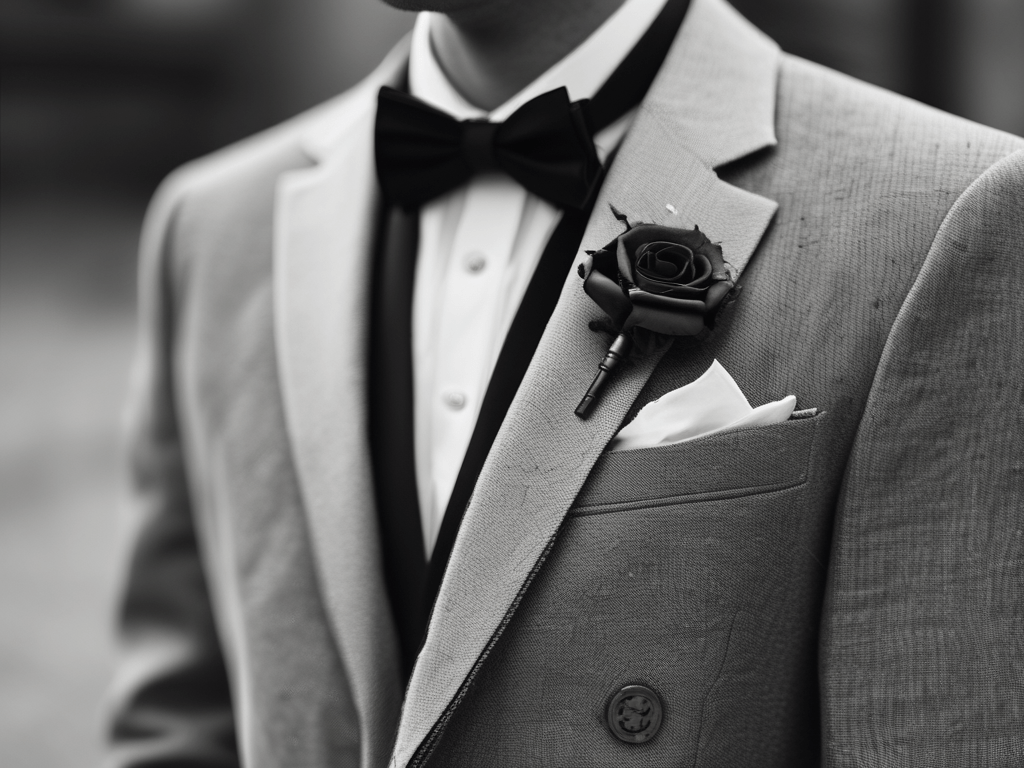
Tuxedo vs. Suit: What’s the Difference and When to Wear Each
When it comes to formal attire, understanding the difference between a tuxedo and a suit is essential for making the right impression at any event. While both are staples in a man’s wardrobe, they serve different purposes and are appropriate for different occasions. This article will delve into the key differences between a tuxedo and a suit, and provide guidance on when to wear each.
Key Differences Between a Tuxedo and a Suit
1. Satin Details
Tuxedo: The defining characteristic of a tuxedo is the use of satin. Tuxedos feature satin on the lapels, buttons, pocket trim, and a stripe down the side of the trousers.
Suit: Suits typically do not include any satin. The lapels, buttons, and trousers of a suit are made from the same fabric as the rest of the garment, giving it a more uniform look.
2. Shirt and Accessories
Tuxedo: Tuxedos are traditionally worn with a white dress shirt that has a wing or turndown collar. The shirt is often pleated or features a bib front. Accessories include a black bow tie, cummerbund or waistcoat, and patent leather shoes.
Suit: Suits are more versatile when it comes to shirt options. You can wear a suit with a variety of dress shirts in different colors and patterns. Suits are typically paired with long ties, and accessories can include pocket squares, tie bars, and leather dress shoes.
3. Occasion and Formality
Tuxedo: Tuxedos are reserved for formal events. They are the go-to choice for black-tie events, weddings, galas, and other evening affairs. The formality of a tuxedo makes it inappropriate for daytime events.
Suit: Suits are suitable for a wide range of occasions, from business meetings and job interviews to weddings and social gatherings. Suits can vary in formality depending on the fabric, color, and accessories.
4. Color and Fabric
Tuxedo: Traditional tuxedos are black or midnight blue. They are often made from high-quality wool or a wool blend. While modern tuxedos come in a range of colors, the classic black tuxedo remains the most formal.
Suit: Suits come in a variety of colors and fabrics, making them more versatile. Common colors include navy, gray, and black, while fabrics range from wool and cotton to linen and tweed. The choice of fabric and color can dictate the suit’s formality and seasonality.
5. Fit and Style
Tuxedo: Tuxedos often have a more tailored fit to enhance the wearer’s silhouette. They come in various styles, including single-breasted, double-breasted, and shawl collar. The overall look is sleek and sophisticated.
Suit: Suits also come in various fits, from slim and tailored to classic and relaxed. The style of a suit can vary widely, offering single-breasted, double-breasted, notch lapel, peak lapel, and more. This variety allows for personalization and adaptability to different body types and preferences.
When to Wear a Tuxedo
1. Black-Tie Events
Tuxedos are the standard attire for black-tie events. If the invitation specifies black tie, a tuxedo is the appropriate choice. This includes galas, formal dinners, and evening weddings.
2. Weddings
While not all weddings require a tuxedo, many do, especially evening weddings with a formal dress code. If the invitation states black tie or black tie optional, a tuxedo is the best choice.
3. Formal Celebrations
Events such as milestone anniversaries, award ceremonies, and formal charity events often call for a tuxedo. These occasions typically take place in the evening and have a high level of formality.
When to Wear a Suit
1. Business Settings
Suits are the cornerstone of professional attire. Wear a suit to business meetings, interviews, presentations, and office environments that require business formal or business casual dress codes.
2. Daytime Events
For daytime weddings, social gatherings, and events, a suit is appropriate. Suits in lighter colors and fabrics are particularly suitable for daytime wear.
3. Semi-Formal and Smart Casual Events
Suits can be dressed up or down, making them ideal for semi-formal and smart casual events. Pairing a suit with a dress shirt and no tie creates a polished yet relaxed look.
4. Funerals and Religious Services
Dark suits are the appropriate attire for funerals and religious services. They convey respect and formality without the overtly formal tone of a tuxedo.
Decision
Understanding the differences between a tuxedo and a suit helps ensure you are dressed appropriately for any occasion. Tuxedos are reserved for formal evening events, offering a polished and sophisticated look with their satin details and classic accessories. Suits, on the other hand, are versatile and suitable for a wide range of settings, from business to social gatherings.
By choosing the right attire, you can confidently navigate any event with style and grace. Whether you’re donning a tuxedo for a black-tie gala or wearing a suit for a business meeting, the key is to ensure your outfit fits well and is appropriate for the occasion.
 Alex blogs
Leave a comment